AiR · Site-specific installation · Wall House #2, Groningen
3 Playable
Screensavers
for Wall House #2
Extending the rigid environment of the Wallhouse towards the infinite realms of imagination.
Site-specific installation / Groningen, NL / 2007
3 Playable Screensavers for Wall House #2
Space vs. architecture. Site-specific time-space oriented videogame environments. John Hejduk's only built Wall House was treated as dormant hardware. Three screensavers extended its rigid surfaces, passages, and rooms somewhere else.
The works also came out of living with the building, and with Groningen around it. Moving in and around the building meant emplacing three distinct propositions about what architecture closes off, and what art can peek at. Inhabiting a diagrammatic object inside an urban environment that seldom gave much back.
Physicromie pushed against that condition by trying to deepen a shallow surface, to make the facade suggest something behind it. Trans Europe Express came from relating to the hallway as a line of departure, made at the moment when international practice was becoming less a fantasy of mobility than a lesson in uneven circulation, translation, access, and distance. Trashtuin was a meditation on the studio itself, digital infrastructures enabling art as a practice and my own relationship to the residence, accepting the room’s own condition more bluntly. It was a trash garden: rules, debris, obsolete technology, and growth, projected back into the place where it was made.
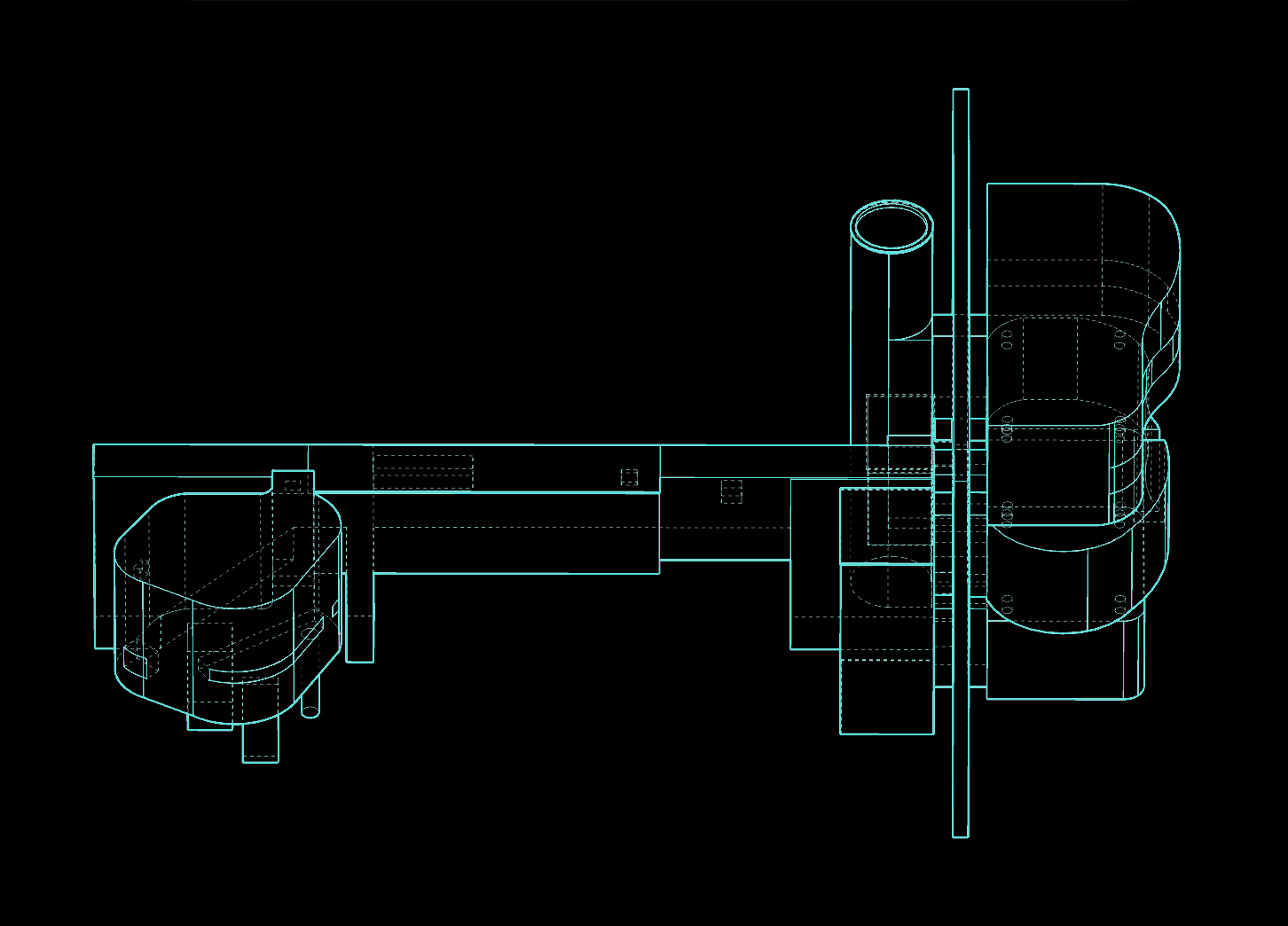 Wall House #2 / plan
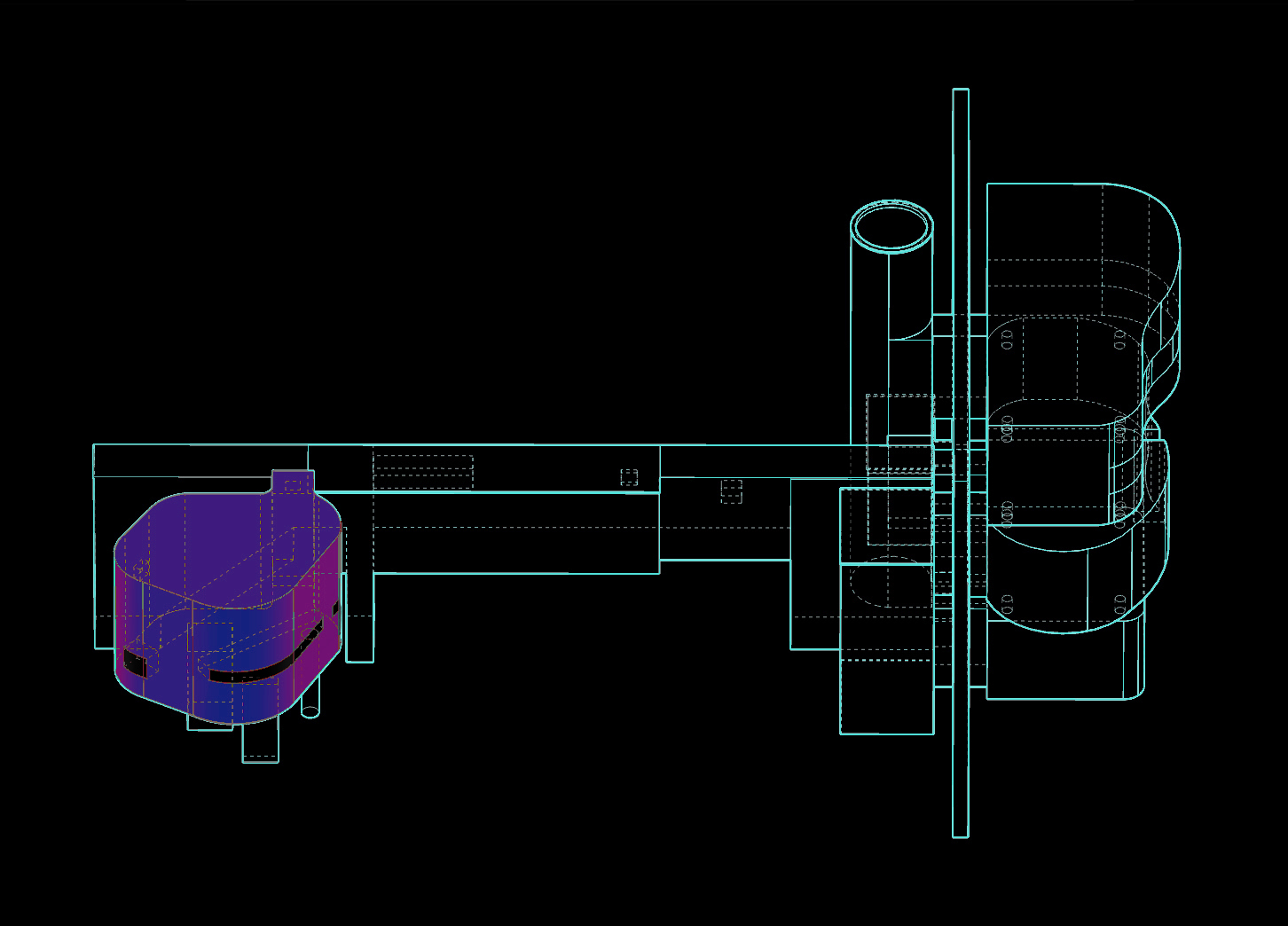 APhysicromie
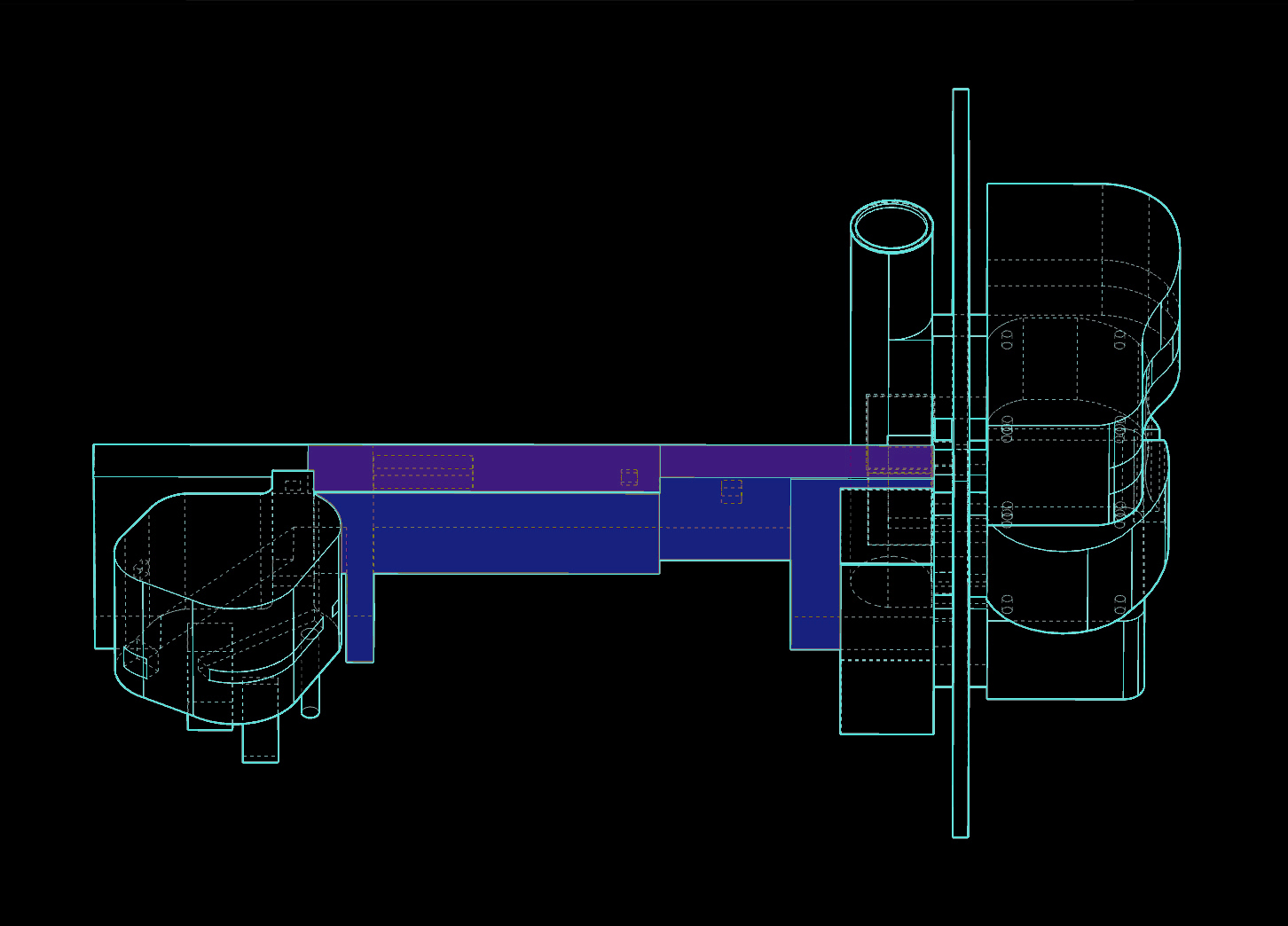 BTrans Europe Express
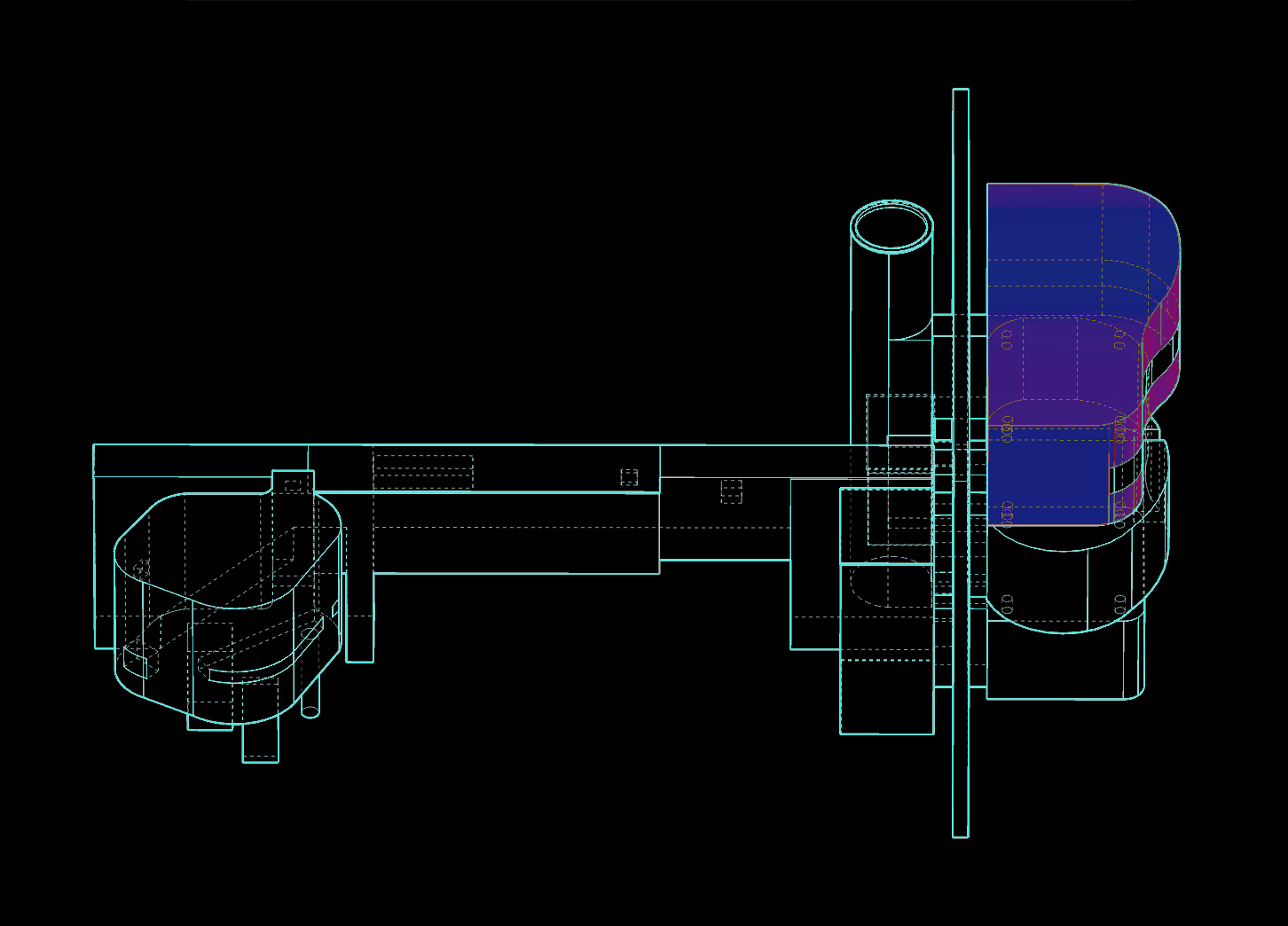 CTrashtuin
A / Facade and garden / Exterior
Physicromie
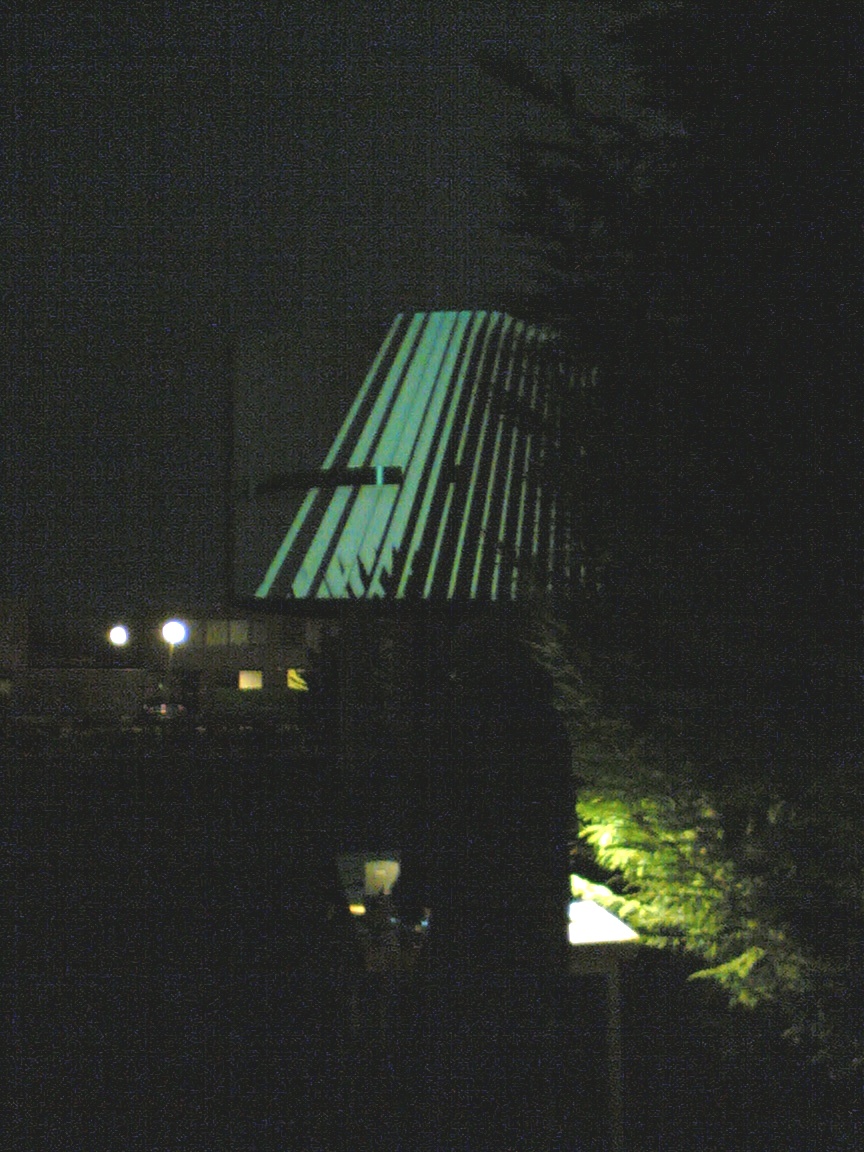
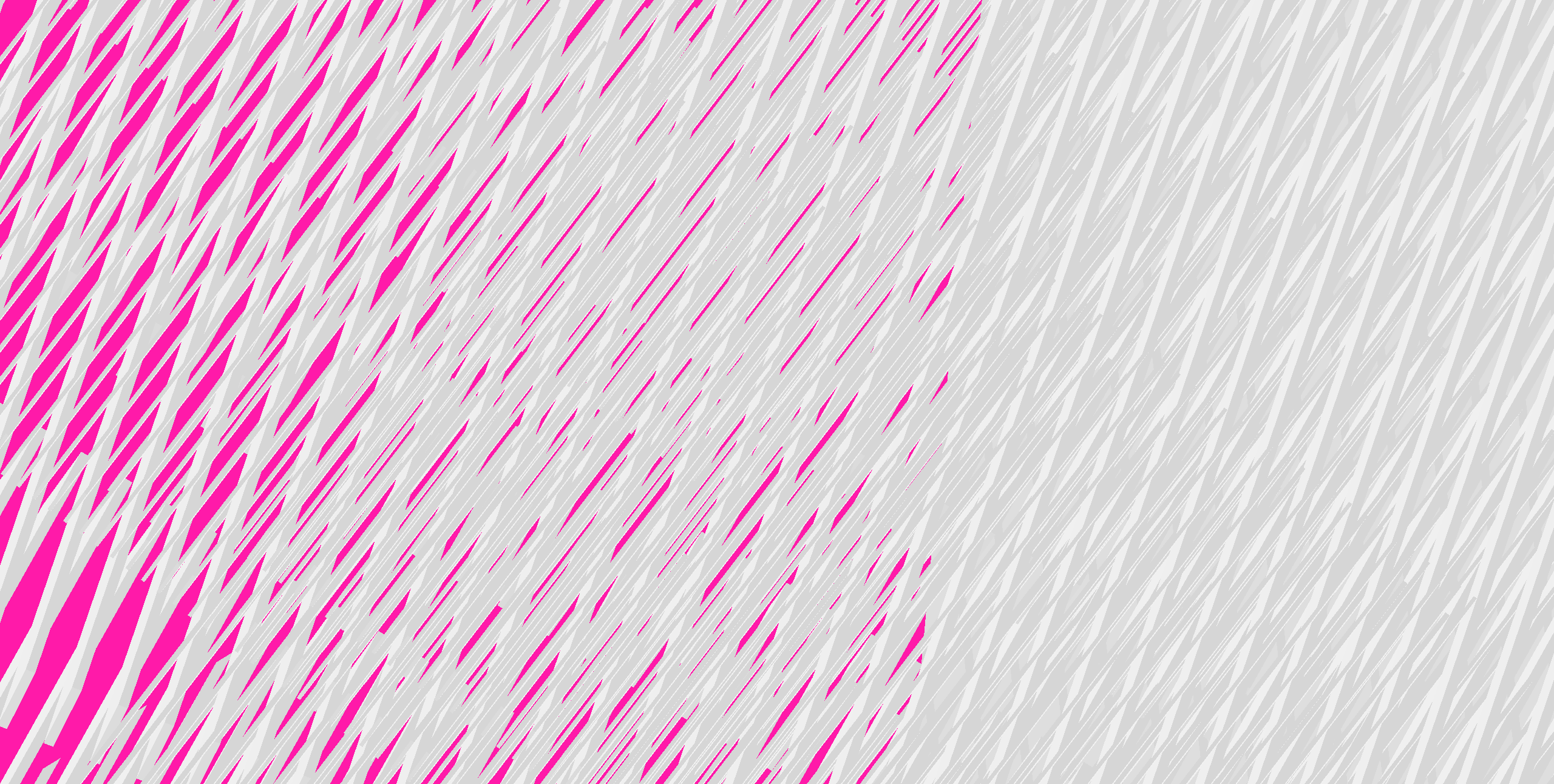
Stand in the garden, look at the facade, and play a game projected onto the building's skin. Physicromie turns the exterior of the house into navigable depth.
The work translated a complex three-dimensional environment into chromatic fields, making space appear as a color surface. From outside, the projection could look as a flat composition. In use, it is a navigable space.
The facade becomes a screen in the older sense: a threshold, a masking surface, and an interface at once. The building remains fixed, but its exterior starts to behave like a graphics device. Playing it from the garden meant being watched playing it, standing outside a building, controlling what the building showed to anyone passing by.
AFacade and garden
B / Hallway / Transitional
Trans Europe Express
The hallway connects outside to inside, and TEE turned that connection into the work itself: two channels, one per wall, facing each other down the corridor.
A stationary train sits inside a perpetually moving landscape composed of fragmented poetry, reassembled as terrain. The train stays fixed as the environment moves and mutates around it, producing the sensation of travel without motion.
One monitor stood at the entrance to the fifteen-meter hallway, the other at the exit. The corridor became the distance between two versions of the same journey in suspension. Movement happened everywhere except in the train itself.
The work turns the hallway into a problem of relative and absolute space: is the train moving, or is the world moving around it? Poetry enters as a linguistic and rhythmic terrain already shaped by migration, circulation, and displacement, where journey and destination are never cleanly separated.
BHallway

C / Upper interior slant / Ceiling
Trashtuin
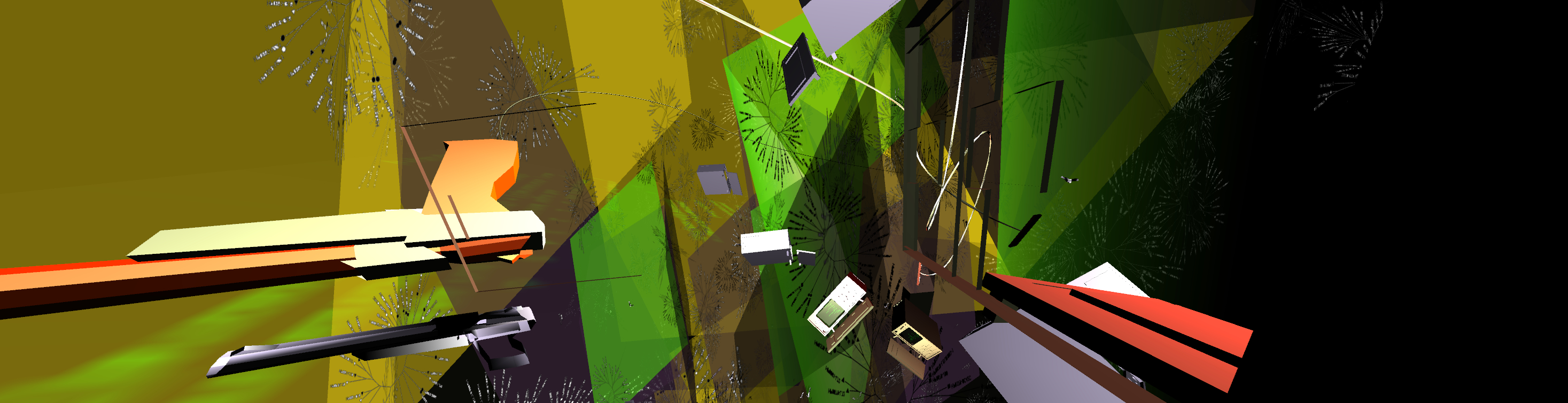
Trashtuin projected a garden onto the ceiling of the Wallhouse and let it grow on its own.
An immobile camera tracks a moving glider through the growth, extended into volumetric space by Carter Bays's 3D Life research. The projection lands on the interior ceiling slant, turning it into a living system you look up into. The garden runs continuously, indifferent to whether anyone's there, filling itself with trash as it grows: a procedural ecology with no destination and no cleanup.
The work didn't stage nature as an escape from computation. Nature and technology are understood as coterminous here: the garden is made out of rules, debris, repetition, and drift. Projected inside the studio, it became an idle ecology for the house, a system growing overhead, without player, progress, or destination.
CUpper interior slant
Documentation
Opening, Groningen
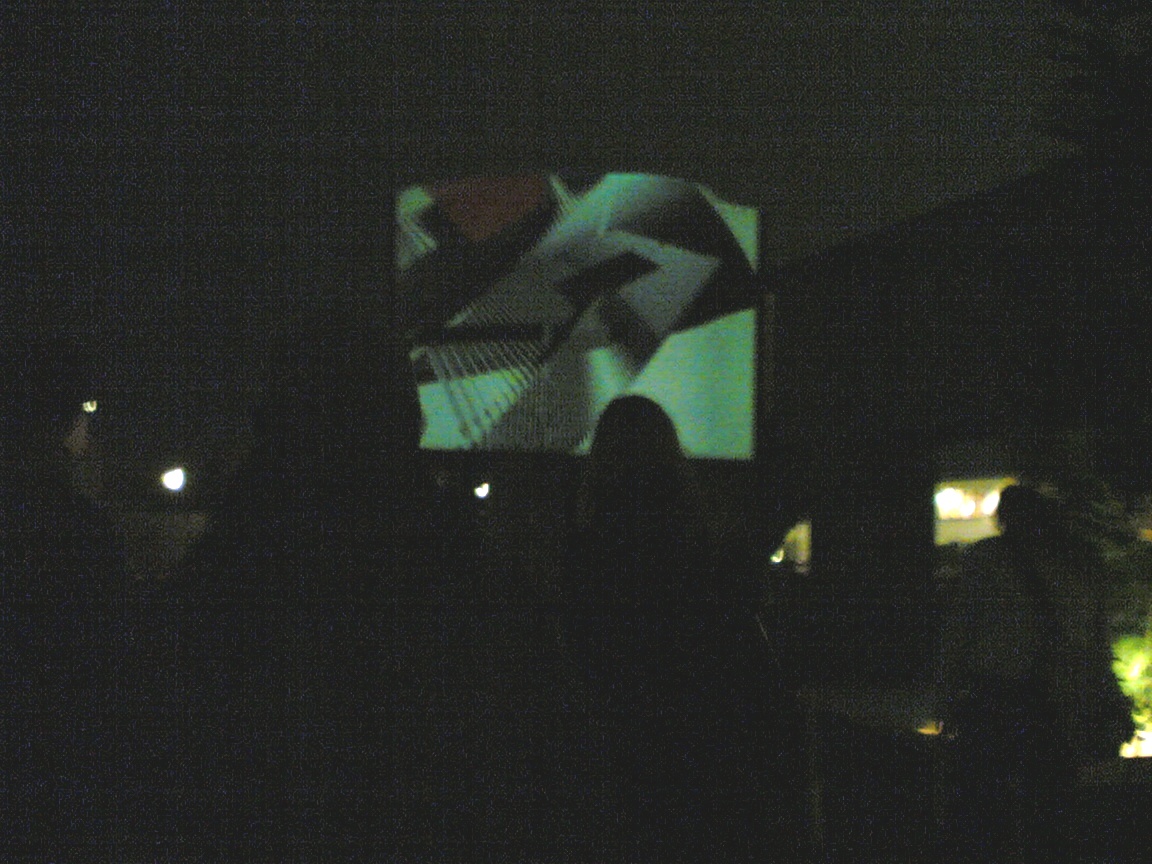
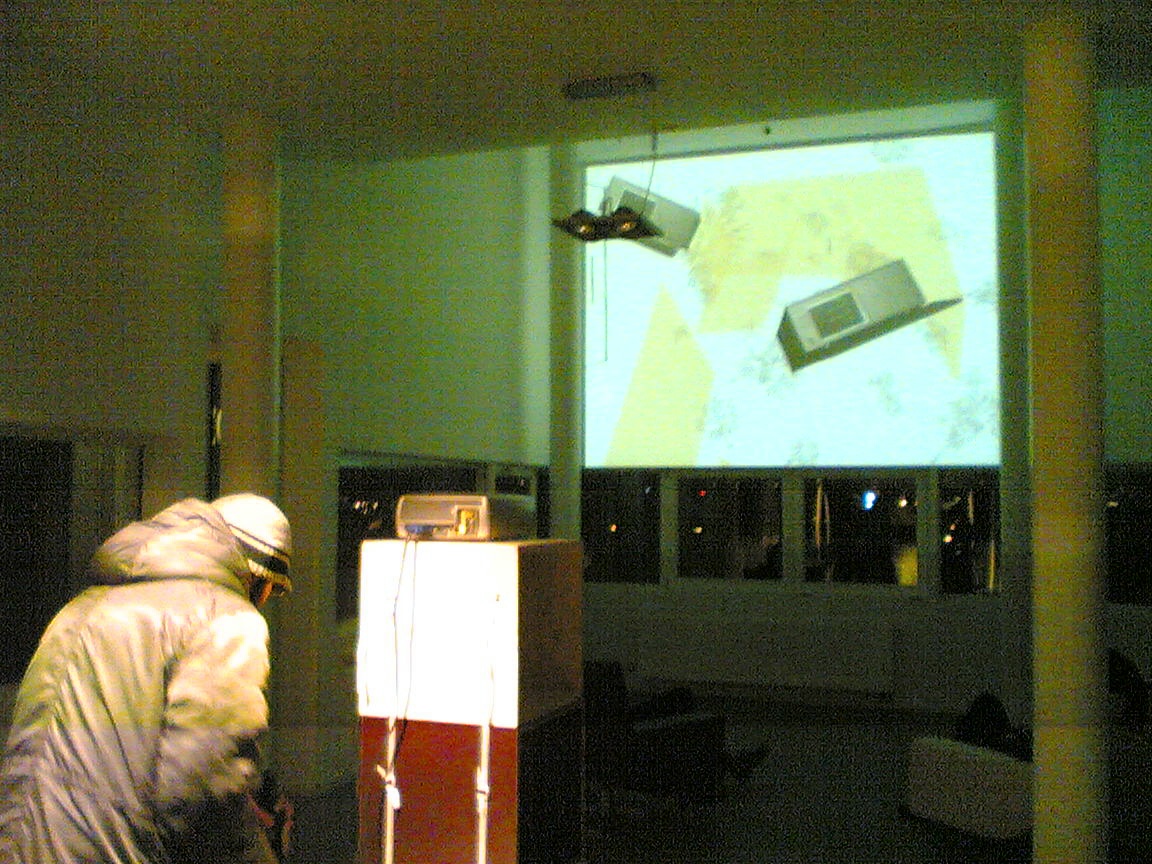
The opening photographs are incomplete. Most of the documentation was lost on a failed hard drive, and the images that remain were taken by Mark Hoekstra, a local friend in Groningen who spent time around the project.
He was into modding hardware, and shot these with his modified iPhone. Mark died young.
These photographs remain as documentation of the installation, but also as a trace of the people and informal technical cultures around it: the borrowed devices, improvised tools, late-night tests, and friendships that made the work possible.